Commercial Locksmith on Amelia Island, FL
Commercial locksmith service for Amelia Island, from the van based at 382 S Fletcher Ave in Fernandina Beach: the shops, restaurants and inns on and around Centre Street, the hotels and resorts at both ends of the beach, the marina, the port and the mills, the hospital and the medical offices around it, the churches and the schools, and the managers who run hundreds of rental doors. Business lockouts, rekeying, master key systems, exit devices, lock repair, new hardware and lock changes after a commercial eviction, 24 hours a day, around your hours. Call (904) 621-6480 and a licensed and insured tech is on the way with a fast arrival time.
Every commercial job is quoted item by item before the van moves: the trip charge, the labor per door or per cylinder, the parts, and an after-hours charge when the work is done outside your hours. That total is the invoice. Lockouts at opening and closing go first; rekeys, master key work, exit devices and installs are booked around your hours, usually after closing, and around the season.
The van carries interchangeable cores and standard cylinders, restricted blanks, storefront mortise hardware, exit devices and outside trim in marine finishes, door closers, keypad levers, latch guards and strike boxes, heavy marine-rated padlocks, and the bits and jigs for steel, aluminum and century-old wood doors, so most jobs are finished in one visit. Below is what each commercial service involves and what to have ready. We are the #1 locksmith on Amelia Island for businesses because the quote holds, the arrival is fast, and the door is locking again before the tech leaves.
Questions Amelia Island business owners ask us
What does a commercial locksmith cost on Amelia Island?
An itemized quote: the trip charge, the labor per door or per cylinder, the parts, meaning cores, cylinders or hardware, and an after-hours charge when the work happens outside your hours. Count the doors and say what is on them, and every item is named before the van leaves 382 S Fletcher Ave. Call (904) 621-6480.
A summer hire left with keys. How fast can the building be rekeyed?
Today, after closing if you prefer. Standard cylinders are re-pinned at the door; interchangeable cores are swapped with a control key in seconds each, so a whole inn or shop is done in the time it takes to walk it. New keys are cut on site and the old ones are dead before the tech leaves.
We run an inn. Can one key open everything while housekeeping only opens the rooms?
Yes. That is a master key system: your key opens every door, housekeeping's key opens the rooms on its list, the kitchen key opens the kitchen. The tech maps the building, pins the cylinders to a chart on a restricted keyway so nothing can be copied at a kiosk, and keeps the chart as staff change.
The fire marshal flagged our back door. What goes on it?
An exit device, the bar that opens the door with one push from inside, no key and no knowledge. On a fire-rated door it has to be fire exit hardware that cannot be dogged open. We install the device that passes, add outside trim so staff can get in, and set the closer so the door latches on its own, in a finish that survives the salt.
Can you open our Centre Street storefront without touching the glass?
Yes. The lock lives in the aluminum stile, or in the old wood door's mortise, and the tech picks or bypasses it. The glass is never touched. If a lock has failed inside and must be drilled, the replacement is on the van and the door locks again before he leaves.
Do you handle the hardware at the port, the mills and the marina?
Yes. Gates, roll-ups, padlocks, steel man-doors, dock boxes and cabin doors, all in salt air and heavy use. We fit marine-rated hardware keyed alike, service gate locks before they seize, and cut fleet keys for the yard trucks on site.
Before you book any locksmith on Amelia Island, here is how an honest quote is put together and what to check when the van pulls up.
What a real quote looks like, item by item
A locksmith price has four parts whether anyone names them or not. The trip charge gets the van to you. The labor is the work at the door or the car: picking, rekeying, cutting, programming. The parts are what you keep, a deadbolt, a core, a key blank, a fob. The after-hours charge covers nights, weekends and holidays, and on a weekday afternoon it is nothing.
Ask for each one by name before the van leaves. At (904) 621-6480 the dispatcher reads them out and the tech repeats them at the door, and the invoice adds up to the same total. A single low number with "it depends" attached is not a quote; it is the opening of a negotiation you did not agree to, and it tends to go one way once a van is parked in your driveway.
What to tell the dispatcher so the price is right the first time
Six facts price a job exactly. What is locked: a car, a house, a condo, a rental, a storefront, a safe, a boat. Where it is, by street or at least by end of the island, since Fort Clinch and the Plantation are different drives. What kind of lock or car it is: a knob, a deadbolt, a keypad, a storefront mortise, or the make, model and year.
Whether you have any working key. What you want when it is done: just in, or in and rekeyed, or a new lock. And when: now, or booked for the morning after checkout. With those six the quote is the invoice. Without them it is a guess, and a guess on the phone is always made low.
Licensed and insured on an island: what it means and how you check
Licensed means the business is registered to operate, with a name, an address on the island and someone accountable. Insured means a gouged door, a cracked lock body or a scratched car is covered by the company's policy and not argued about on the porch. On an island where half the doors belong to rentals and condos, the owner is often not standing there, and the insurance is what protects both of you.
Check all three in a minute: the company name, matched on the van and the invoice; where the company works from, ours being 382 S Fletcher Ave; and a plain yes to whether damage is covered. Amelia Island Locksmiths is licensed and insured, and every tech gives you the company name before the toolbox opens.
Why we confirm it is your door, your car or your rental
Nothing opens until the tech knows you are allowed through it. For a house that is a photo ID with the address, or a deed, a lease or a utility bill. For a car, the registration, the title or the insurance card. For a vacation rental, the booking confirmation plus the host or manager on the phone. For a business, the owner or a manager or key holder named on the lease. For a boat, the registration.
The ID is often inside the thing that is locked. The door opens, then the ID comes out. The whole check takes a minute, and it is the reason nobody can call a locksmith and walk into your beach house while you are at dinner on Centre Street.
What happens between the van door and the invoice
The tech gives you the company name, looks at the lock before touching it, and repeats the itemized quote. If the door carries something the dispatcher did not know about, a second deadbolt, a high-security cylinder, a lock someone already tried to force, the numbers change and he waits for your yes.
Then the work: picks on a house lock, an air wedge and a reach tool on a car, a follower and fresh pins on a rekey, a code reset on a rental keypad. He tests it with you watching, hands over the keys or the new code, and writes an invoice carrying the company name and the quoted total. You pay once the door is open and the job is done.
The cheap phone price that grows at the door, and how to see it coming
Tourist towns see the pattern more than most. A very low price on the phone, no company name given. An unmarked car arrives. The tech glances at an ordinary lock and says it must be drilled, which turns a service call into a new lock and an hour of labor. The real price appears after the door is open, several times the phone number, cash preferred.
Three tells, visible while it happens: no company name on the call, a drill before any attempt to pick, and a price that moves after the work. The answer to all three is the same: an itemized quote before the van moves, picking first with any drilling explained ahead of time, and an invoice that matches the call.
Commercial rekeying on Amelia Island
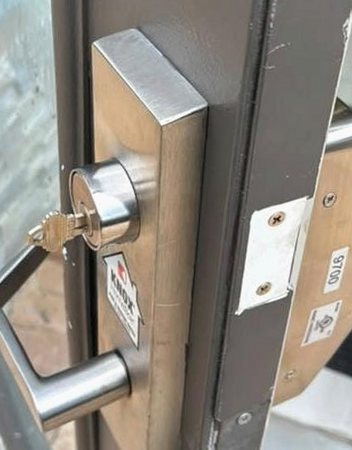
Seasonal staff is the island's rekey calendar. Keys go out in March and some do not come back in October, and nobody can say how many copies were made in between. A rekey settles it the same day: the locks stay, the pins change, new keys are cut, and every old key is dead. It is also the first job after buying a business, after a remodel, and after a manager leaves.
Standard cylinders and interchangeable cores
A standard cylinder is pulled and re-pinned at the door, ten to fifteen minutes per lever or deadbolt and a little more for a storefront mortise cylinder. An interchangeable core, the small-format core in most inns, offices, clinics and public buildings, is pulled with a control key and replaced with a freshly pinned core in seconds, with the lock never leaving the door. The tech pins the set in the van and walks the building. A business that rekeys every season and is not on cores would save labor by converting, and the tech says what that costs when he reads the keyway.
Restricted keyways and the sign-out sheet
The rekey fixes this season; key control fixes the next five. On a restricted keyway the blank is not sold at hardware stores or kiosks, so a key can only be copied by the locksmith who controls the blank, with your signature. A sign-out sheet closes the loop. After that, a key that leaves in September is one door rekeyed in October, not the building.
Inns, hotels and rental managers
Guest rooms on cores, housekeeping on a sub-master, the owner on the master, the kitchen and the office on their own keys. A manager with two hundred rental doors runs the same way, with keypads on the doors that guests use and a restricted key for the ones that only staff use. Turnover rekeys for rental units are booked between checkout and check-in, every door in one visit, keys labeled for the office.
Storefronts, back doors, gates and roll-ups
The lock in an aluminum storefront stile is a mortise cylinder; the one on an exit device is a rim cylinder; the back door carries a lever and a deadbolt; the gate and the roll-up at the port carry padlocks. Where the keyways allow it, every one of them can be put on the same key, and the padlocks and cylinders on the van that make that possible are marine-rated.
After a sale, a remodel or a season
A business bought from someone else comes with keys held by their staff, cleaners and vendors; a space just remodeled has been opened by every trade on a construction key; a shop closing for the off-season should change its keys before it reopens. Rekey on the day you take the keys, after closing, so the door is never open during business.
Churches, schools and the hospital's neighbors
Buildings with many doors and many hands are the reason interchangeable cores exist. A lost key or a departed employee is a core swap on the doors that matter, between services or after the last class, with the master still working, and the tech keeps the chart current so the next change is a calculation rather than a survey.
The marina and the docks
Dock boxes, gear lockers and gate locks are rekeyed per slip or per boat, keyed alike where the owner wants one key for everything on the water, and replaced with marine-rated cylinders when the salt has had the old ones. Charter and work boats get cabin and ignition keys copied at the dock.
How long it takes
On cores, about as long as a walk through the building, because the cores were pinned in the van beforehand. On standard cylinders, roughly a quarter of an hour per door. A shop with a front, a back and an office is finished in under an hour, after closing if you like, and the keys are handed over labeled.
What a business rekey costs, item by item
Trip charge; labor per cylinder or per core; parts, meaning keys and any cores that were replaced; and the after-hours charge if the work is done after you close. Tell the dispatcher how many doors you have and, if you know, which are cores, and the quote is exact.
Business lockout on Amelia Island
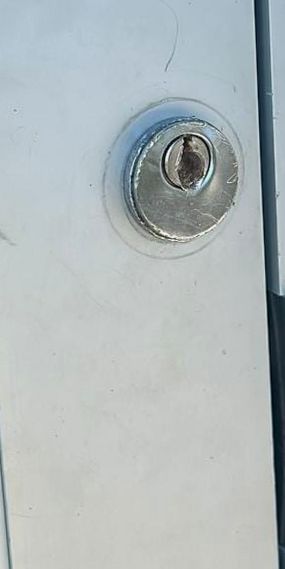
A business lockout on the island is opened by working the lock, never by forcing a door or breaking glass, and never with a wait for someone to come over the bridge. The tech picks or bypasses the lock, confirms you are authorized, and the door locks again behind you. Opening time on a festival weekend and closing time on a Saturday night are the two calls we get most.
Centre Street storefronts
Downtown doors are either glass-and-aluminum storefronts with a mortise lock in the stile, or century-old wood doors with a mortise lock in the door. The tech picks the cylinder or bypasses the lock; the glass is never touched, and the old wood is not marked. He checks the hookbolt or the latch against the keeper afterward, because a door that opened too easily sometimes has a lock on its way out. Double doors with a flush bolt on the inactive leaf are handled the same way.
Inns, hotels and rentals at odd hours
A night manager locked out of the office, a housekeeper locked out of the linen room, a guest room whose keypad has died at midnight. The tech opens on the manager's authorization, through the backup cylinder on a keypad or by picking a core, and leaves the door working. Managers with many doors keep our number for exactly this.
Steel doors, offices and the yards
Steel back doors with levers, deadbolts or exit devices pick like house locks. Office suites on interchangeable cores are picked or opened through the core with the building's control key. Warehouse man-doors, gates and roll-up padlocks at the port and the mills are opened without cutting when the lock allows, and a seized padlock is cut and replaced with a marine-rated one keyed alike.
When drilling is the honest answer
Salt air seizes cylinders and snaps tailpieces, and when a lock has died inside, drilling it is the honest answer and the tech will say so before he does it. The van carries mortise and rim cylinders, cores and levers, so the door is locking again before he leaves and the only loss is the cylinder that was already dead.
Who can authorize
The owner, a manager named on the lease, or a key holder the owner confirms by phone. The tech asks for ID and a way to confirm authority, at 6 a.m. as at noon. For a franchise or a resort, a call to the office does it; for a church or a school, the person responsible for the keys.
Opening time on a festival weekend
The shop manager at the door at 7 a.m. with the line already forming and the key at home: the tech is minutes away, the door is opened, and if the key is truly lost the cylinder is rekeyed on the spot so the stray key is dead before the first sale. The cafes on Centre Street and the shops on Sadler Road make this call more than anyone.
Employees locked out, owner off the island
If the only key holder is on the mainland, the tech opens the door once the owner authorizes it by phone and the employee shows ID. The employee's name goes on the invoice, and if the owner wants a spare cut while the tech is there, the machine is in the van.
Safes, cash drawers and the register
A key ring locked in a safe is reached by manipulation or one small plugged hole. Cash drawers, display cases, liquor rooms and file cabinets with lost keys are opened and rekeyed on the same visit so the shop opens on time.
After the door is open
Lost key, not forgotten key: rekey or swap the core while the tech is at the door with the parts on the van. Failed lock: replaced before he leaves. The invoice carries the company name and the quoted items either way.
After hours
The van runs around the clock with the same tools and the same ID check. The one item in the quote that changes at night is the after-hours charge, and the dispatcher reads it to you before anyone drives.
Commercial eviction lock changes on Amelia Island
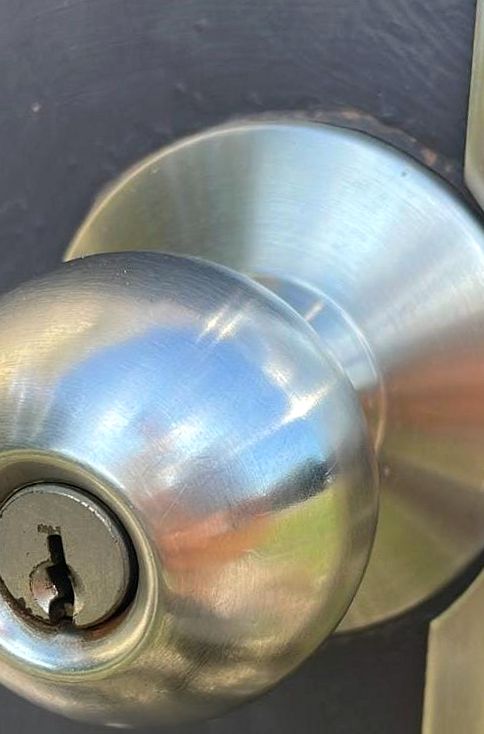
When a commercial tenant is removed, the manager needs every lock in the space changed the same day, usually after the neighbors have closed. We book the job for the day the property comes back to the landlord and finish the whole space in one visit, downtown or in the plazas along A1A and in Yulee.
When the locks change
A commercial eviction runs through the court like a residential one: judgment, writ of possession, the sheriff executes it, and then the space is yours. We change the locks after that step. The dispatcher asks which step you are on, and if your attorney has set a date, the van is there that day.
What the tech does
Meets you or the manager at the space. Opens any lock the tenant changed. Rekeys or replaces the front, back and side doors, swaps exit device cylinders, changes padlocks on roll-ups and gates, rekeys interior suites if the lease covered them, and wipes and resets every keypad. Alarm codes belong to the alarm company and the tenant's account, so we tell you to call them; we handle the metal. You leave with one labeled set of keys and an invoice that lists the address, the date, the doors and the key count.
Restaurants and shops with a season's worth of hardware
A restaurant that has turned over has a walk-in padlock, a liquor room, a cash office, a back door with an alarmed exit device and a patio gate, and every one needs a new key or a new code. The tech lists them on the walk-through so nothing is missed and the quote covers every door.
Rekey, replace, or keypads
Rekeying is the default, labor per cylinder with the hardware staying. Replacement when the tenant damaged the locks or the salt has had them. Keypads on the front and back doors when the next turnover should be a code change rather than a locksmith visit.
Abandoned spaces and lease defaults
A tenant who has simply disappeared is not the same case as one the sheriff removed, and the lease, with your attorney, decides when you may retake the space. We ask to see that in writing before changing locks on a space a tenant may still have a right to, because the lawsuit costs more than the rekey saves. Once it is in hand, the change runs the same way.
Marina slips, storage units and yard space
A commercial tenancy on the island is not always a storefront. A slip with a dock box, a storage unit, a yard with a gate and a container: the same process applies once the paperwork is in hand, with the padlocks and gate locks swapped for marine-rated ones keyed to the new tenant.
What to have ready
The court paperwork or your attorney's date, your ID as owner or manager, and a count of doors, roll-ups, keypads and exit devices so the quote covers everything.
Property managers
Managers with several properties get the same tech whenever the schedule allows, keys labeled by suite, one invoice per building, and ordinary turnovers booked through the same number as evictions.
Commercial lock repair on Amelia Island
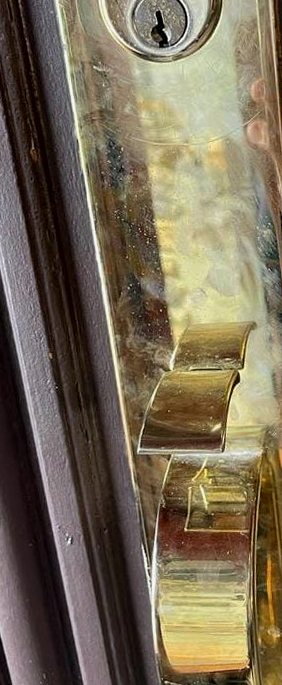
Commercial doors on the island take two beatings: thousands of cycles a month in season, and salt air all year. Hardware that would last a decade inland is tired in three on the beachfront. Most of what fails is a part, a cleaning or an adjustment; the rest is replaced with hardware built for the coast.
Storefront doors that need a lift to lock
When an aluminum door has to be lifted or shoved before it will lock, the door has settled on its pivots and the hookbolt is no longer meeting the keeper. Caught early, the tech resets the pivots and realigns the keeper and that is the end of it. Ignored, the hookbolt grinds the keeper away, then the lock body, and an adjustment turns into a replacement.
Old wood doors downtown
Century-old doors on Centre Street swell, sag and drop their mortise locks out of alignment. The tech resets hinges and strikes, cleans and re-springs the mortise lock and fits a new cylinder, and the door closes like it did when the shop first opened. Replacement is the last resort, and when it comes, the new lock is fitted to the old pocket.
Corrosion
Levers that droop, deadbolts that bind, cylinders that stick, closers that weep: salt finds every one. Return springs, latch bolts, strikes and cylinders are replaced as parts, cylinders are cleaned and dry-lubricated, and when a body is pitted through it is replaced with stainless or marine-rated hardware on stainless screws. Doors that face the water go on the twice-a-year walk-through.
Closers
A door that slams, or stops an inch short and never latches, is a closer problem. The tech adjusts sweep, latch speed and back-check, and replaces a closer that has leaked. On a beachfront restaurant, a closer that latches the back door is also what keeps the humidity and the sand out of the kitchen.
Push bars and back doors
A push bar that needs two shoves, or a back door that will not latch behind the last person out, is a repair today and a citation later. The tech replaces the latch and its spring, resets the strike and tunes the closer, the same things the fire marshal looks at.
Keys, cylinders and cores
A cylinder that spins freely without moving the bolt has a snapped tailpiece or cam. A key that sticks means a cylinder full of salt and sand, cleaned and re-pinned, or a core that gets swapped. Keys that have been copied from copies for years wear the pins down, and a key cut fresh to code with a re-pin often rescues a lock everyone had written off.
Gates, padlocks and roll-ups
Gate locks at the yards and the port, padlocks on roll-ups and containers, and chain locks on the docks seize in the salt faster than anything else on the island. The tech services what can be saved, cuts and replaces what cannot with marine-rated locks keyed alike, and puts them on the walk-through list so they are caught before they fail.
What to tell the dispatcher
What the door is, glass, steel or old wood; what the lock does or will not do; whether it faces the water; and whether you want it done after closing. That is enough for the itemized quote and the right parts on the van.
Walk-throughs before the season
Inns, restaurants, the churches, the schools and the managers with many buildings book a walk-through before the season and again after: every lock tested, every closer set, every push bar checked, every exposed cylinder cleaned, worn parts replaced before they fail on the Fourth of July. One itemized quote for the visit.
Fresh installation on commercial doors
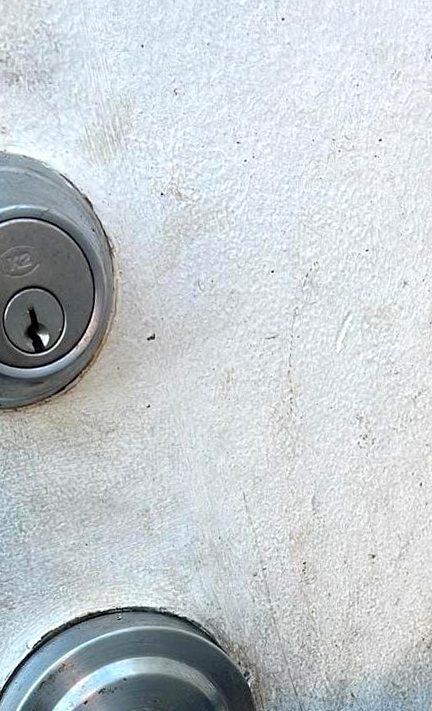
A fresh installation puts hardware on a door that has none, or adds a lock where one was not enough: a deadbolt on a restaurant's back door, a keypad on the liquor room, an exit device where the inspector asked for one, a mortise lock in a storefront stile, a lock on a dock box or a gear locker at the marina. The tech preps the door for the hardware and fits it so it works like factory, in a finish that survives the air.
Steel doors
Steel is bored with bi-metal hole saws for the cross bore and the edge bore, reinforced with a wrap-around plate where the skin is thin, and given a strike box screwed into the steel frame so the bolt lands in something solid. A deadbolt, a latch guard and a closer that actually shuts the door is the standard back-door setup for shops on A1A and at the yards.
Aluminum storefronts
A narrow-stile aluminum door takes a mortise lock, so the tech cuts a rectangular pocket in the stile with a mortising jig rather than drilling round holes, fits a hookbolt or a deadlatch with a cylinder outside and a thumbturn or a second cylinder inside, and lines up the keeper in the frame. Bottom rail locks and flush bolts on double doors go in on the same visit.
Old wood doors
Historic storefronts get a mortise lock fitted to the existing pocket where possible, with a backer plate where the wood has thinned, so the door is not cut again. The old hardware is restored instead when it can be; it usually outlasts what replaces it.
Keypads for staff doors and shared rooms
A keypad lever on the office, the liquor room, the linen closet or the kitchen door gives each employee a code, deleted when they leave, with the backup cylinder keyed to the building's key. The tech installs on the existing prep or bores a new one, sets the master code with you and adds the first codes before leaving. Codes on a schedule let the cleaning crew in during their hours and nobody else's.
Marine-rated hardware
Anything that faces the water or sits in spray, dock boxes, gate locks, exterior deadbolts, exit devices on beachfront doors, goes in stainless or marine-rated with stainless screws and strike. It costs more once and is replaced far less often.
Access for cleaners, vendors and deliveries
New hardware is the moment to decide who gets through which door and when. A keypad on the back door can carry a code that works only during the cleaning crew's hours, a receiving door can have its own code for the delivery driver, and a key switch on the gate lets a vendor in without a key to the building. Once it is set up, the manager changes codes without calling anyone.
Guards, plates and strikes
A latch guard covers the gap between door and frame so the latch cannot be slipped. A wrap-around plate stiffens the door around the lock. A strike with long screws into the stud stops a back door from giving to a kick. All three are cheap, quick, and the first thing the tech suggests on a door that faces the alley or the service drive.
Testing before the tech leaves
Every install ends with the door closed, locked and opened from inside without a key, the closer latching it on its own, and the keys and the count in your hand on the invoice.
Master key systems on Amelia Island
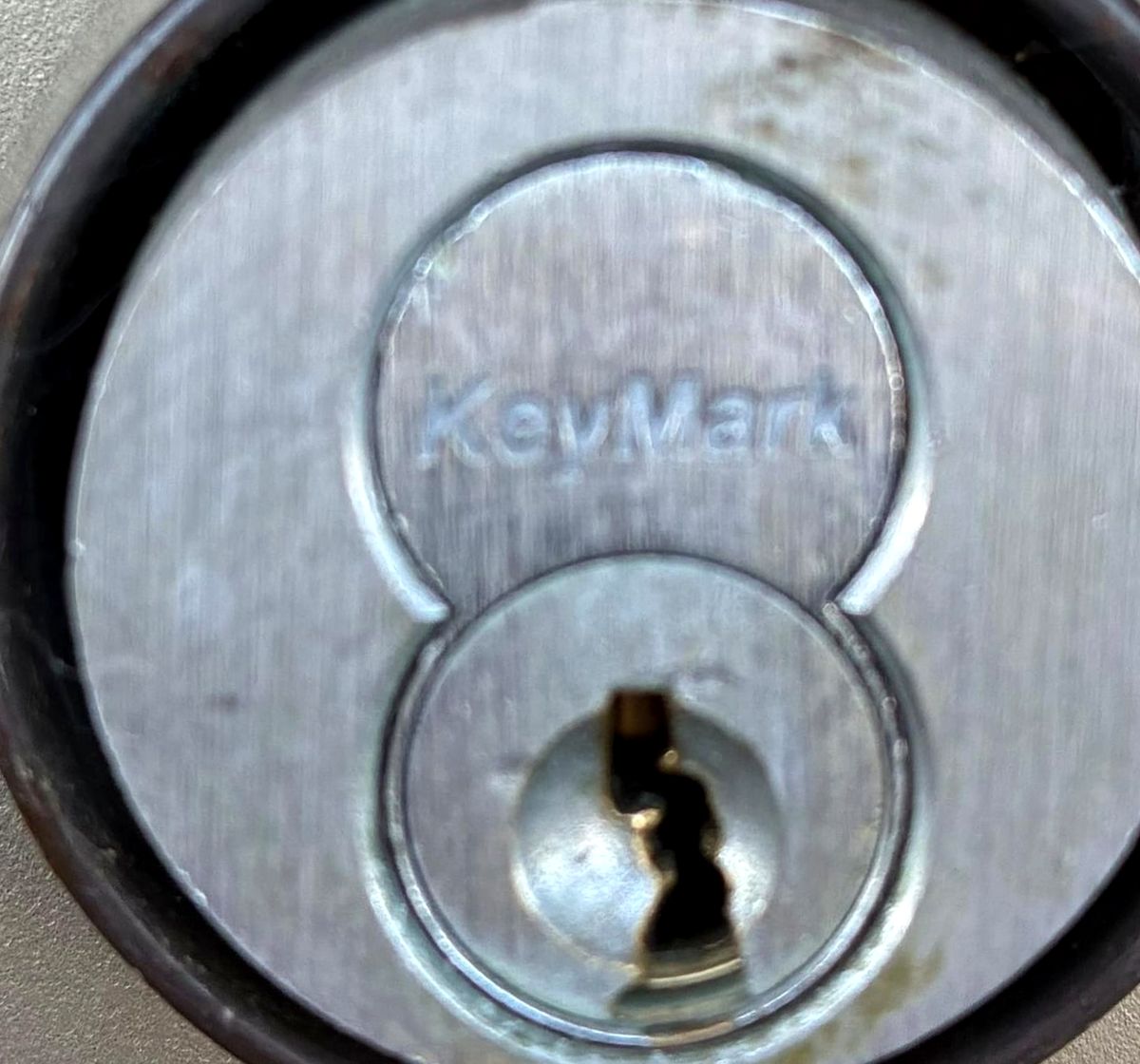
A master key system gives the owner one key that opens everything and gives each employee a key that opens only their doors. It lives in the pins, so it works on the locks already on the building. On an island of inns, resorts, rental managers, restaurants with a dozen doors and a hospital with hundreds, it is the difference between a ring of keys and one key.
How the pins do it
In an ordinary cylinder each chamber holds one stack of pins, and one key lifts every stack to the single shear line. A master keyed cylinder adds a thin master wafer in some chambers, which creates a second shear line. The change key lifts the stacks to one line and the master key lifts them to the other, and both turn the lock. The tech works out every cylinder's pinning on a chart, so no employee's key happens to open a door it was never meant to.
Inns and small hotels
Guest rooms on change keys, housekeeping on a sub-master that opens the rooms and the linen room, the kitchen on its own, the owner on the master. When a guest walks off with a room key the room is rekeyed, the sub-master and the master keep working, and the chart records it. Inns that have moved rooms to keypads keep the master system for the doors guests never touch.
Rental managers
A manager with hundreds of doors across the island keeps guest doors on keypads and staff doors, owner closets, storage rooms and lockbox cabinets on a master system with a restricted keyway. Cleaners open the rooms on their list, maintenance opens the storage rooms, the office opens everything, and no key can be copied at a kiosk.
Levels
A small business needs two: change keys and one master. A larger building adds a sub-master, so a department head opens every door in the department and none in the next. A grand master over several properties is the same idea one step up. Each level costs a little in security, so the tech sets up the fewest that match how the building actually runs.
The walk-through and the chart
The job begins with a walk through the building: every door listed, every user named, doors grouped by who uses them. The chart is built with room to grow, the cylinders or cores are pinned in the van, installed, and every key cut, stamped and tested in the doors it should open and a few it should not. You get the chart, the key list and a sign-out sheet, and the chart is kept current as staff change.
Cores versus standard cylinders in a system
A master key system built on interchangeable cores is the easier one to live with. Moving a door from one group to another means swapping its core and updating the chart. On standard cylinders the same change means taking the lock apart at the door and re-pinning it. Both work; cores cost more on day one and less every season after.
Growing the system
A chart built with spare combinations absorbs a new wing, a new department or a new manager without touching the doors that already exist, which is why the tech asks about next year's plans during the walk-through. A chart built to the last door has to be redone the first time the building changes.
Rekeying inside the system
When someone leaves, only the doors on their key are re-pinned to a fresh change key. The master wafers stay where they are, so the owner's key goes on working. Losing a master key is the expensive case, because every cylinder in the system has to move to a new master, and a restricted keyway is what keeps that from ever happening.
What it costs, item by item
Trip charge; labor for the walk-through and for each cylinder or core pinned; parts for the cores, cylinders and keys; and the after-hours charge if the install runs after closing. The chart and the key list are part of it. Count your doors and your key holders and the dispatcher reads you the items before the walk-through is booked.
Who runs on one here
The inns and hotels, the rental managers, the restaurants with a kitchen and a liquor room and a cash office, the churches with classrooms, the schools, the clinics around the hospital, and any owner who carries more than three keys to their own building.
Exit device and push bar installation on Amelia Island
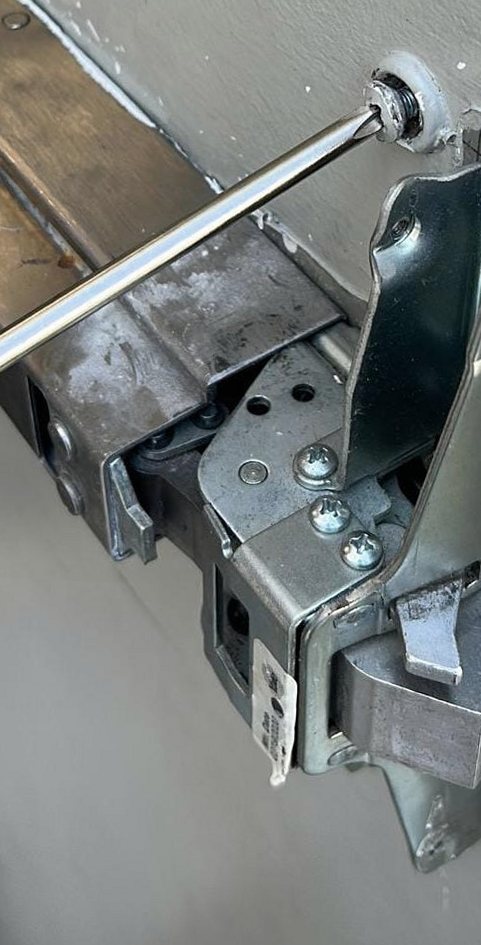
An exit device is the bar across a door that people leave through: press it and the door opens, no key, no knob, nothing to know. On the island's restaurants, bars, churches, shops and halls it is what the fire marshal checks, and on any back door it is the simplest way to let staff out while keeping everyone else out. We install, replace, repair and rekey exit devices across Amelia Island and fit the outside trim that lets your people back in, in finishes that survive the salt.
What the bar does
Push the bar and the latch retracts, so a crowd reaching the door simply opens it. From outside the door stays locked unless you fit trim with a cylinder, a lever or a keypad. Devices are rated for the door and the traffic, and a fire-rated door takes fire exit hardware that cannot be dogged open. The inspector decides which doors need one; we fit the one that passes.
Rim, mortise and vertical rod
Three kinds. The rim device bolts to the face of the door and latches into a strike on the frame; it is the most common and the easiest to service. The mortise device hides its lock body in a pocket inside the door, for heavy doors and doors that already have a mortise prep. The vertical rod device latches at the top and the bottom instead of the side, which is what a pair of doors without a center post needs; the concealed version runs the rods inside an aluminum storefront door. The tech matches the device to the door, the frame and the traffic, and looks at the closer at the same time, because an exit door has to close and latch by itself after every use.
Restaurants and bars
Kitchen back doors get propped open on hot nights, and the alarm on an alarmed device is what ends that. A horn sounds when the bar is pressed unless a key has disarmed it; stock stops walking out the back and propped doors get closed. The tech sets the alarm and shows the manager the key, and fits the device in a finish that does not rust where the hose hits it.
Outside trim
The bar handles getting out; the trim on the outside handles getting in. That is a cylinder that pulls the latch back with a key, a lever that only works once the cylinder has unlocked it, or a keypad, keyed to the building's key or to the master system. Dogging, which holds the latch back during open hours so the door swings free, goes on devices that allow it and never on a fire-rated door.
Fire-rated doors and inspections
A fire-rated door has a label on its edge, and the hardware on it has to match the label: fire exit hardware with a latch that stays engaged and a closer that shuts the door every time. The tech reads the label before picking the device, so the door passes, and the device's paperwork goes in your file.
Churches, halls and pairs of doors
A pair of doors at a church or a hall can be done three ways: a device on each leaf, a vertical rod device on the active leaf with flush bolts holding the other, or two rim devices latching into a removable mullion so the whole opening clears for a piano or a casket. The tech walks the options with you before a hole is drilled.
Electrified trim and access control
Exit devices can be ordered with electric latch retraction or electrified trim, so a card reader or a keypad at a hotel's service entrance unlocks the door from outside while the bar still opens it from inside. The tech installs the device and the trim and coordinates with your access control company on the reader and the wiring.
Installation
The device ships with a template. The tech marks the door from it, drills the mounting holes and the hole for the trim's cylinder, cuts the strike into the frame, and hangs the bar level so a light push retracts the latch all the way. Steel doors are through-bolted; wood doors take machine screws into a backer plate; aluminum doors get a concealed rod device or a rim device with the stile reinforced. Then the door is swung until the latch catches on its own every time.
Closers, holders and the weather
Every device gets a closer fitted or tuned with it, because an exit door has to shut and latch itself after each use. Doors that must stay open for deliveries get a hold-open built into the closer instead of a wedge on the floor. On the beachfront the device and the closer go in finishes and seals that stand up to spray, which is what separates a bar that lasts from one replaced every other season.
Repair
A bar that sticks, or a latch that stops halfway, gets a fresh latch and spring. Trim that no longer pulls the latch back has a worn cam or cylinder. A device that is bent, or mounting that has pulled through the door, is replaced. The tech tells you which it is before he starts and quotes both ways.
Where we work
Commercial calls cover Centre Street and the historic district, the beachfront, the port and the mills, the marina, the hospital area, the resorts at both ends of the island and Yulee, around the clock.
- Fernandina Beach 32034
- South end: American Beach and the Plantation
- Summer Beach
- Fort Clinch and Main Beach
- Yulee
Locked out on Amelia Island? Call now.
(904) 621-648024/7, licensed and insured, and an itemized quote on the phone before the van moves.